Morning Body Scan
Before getting out of bed, spend a few moments noticing how your body feels. Where is there tension? Where is there ease? There is no right answer — only observation.
Simple, reflective practices that help you tune into your body's signals — at your own pace, in your own way.
Fatigue awareness is the practice of noticing — without acting — the moments when tiredness appears in your day. It is not about solving a problem but about building a quiet relationship with your own energy patterns.
Over time, this practice reveals rhythms you may not have noticed before: when energy naturally dips, what activities drain you most, and how fatigue expresses itself uniquely in your body.
These are invitations, not instructions. Choose what resonates and leave the rest.
Before getting out of bed, spend a few moments noticing how your body feels. Where is there tension? Where is there ease? There is no right answer — only observation.
Set a quiet reminder to pause once per hour. In that moment, ask yourself: how tired do I feel right now? Just notice the answer, without changing anything.
Your breathing pattern can change with stress, focus, or energy levels. Observing your breath may help you notice how you feel in the moment.
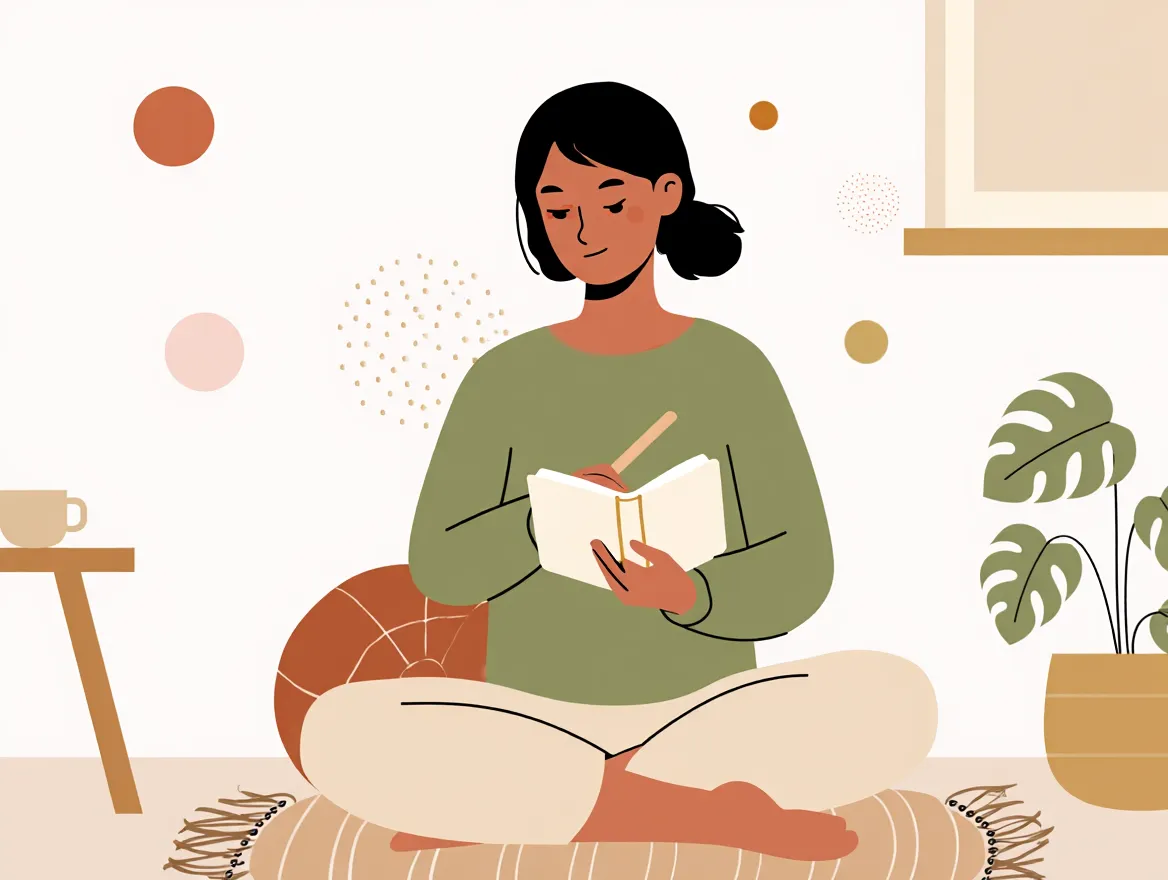
At the end of the day, write a few words about when you felt most tired. Over weeks, patterns may emerge naturally — without any effort to create them.
The most important practice is resisting the urge to act. Awareness itself is valuable. Noticing fatigue does not obligate you to change anything — it simply deepens understanding.
Common curiosities about the practice of fatigue awareness.
Not exactly. While both involve attention and presence, fatigue awareness is more specific. It focuses on one signal — tiredness — and how it shows up in your day.
That can also be useful information. Noticing fatigue often is not a diagnosis by itself, but it may be worth discussing with a qualified professional if it concerns you or persists.
Only if you find it helpful. Some people enjoy journaling, while others prefer simply noticing. There is no required method — only the one that feels natural to you.
All materials and practices presented are educational and informational in nature and aimed at supporting general well-being. They do not constitute medical diagnosis, treatment, or recommendation. Before applying any practice, especially if you have chronic conditions, consult a physician.